
Introduction
When people start doubting where someone really is, the first thing they look for is hard proof—and nothing delivers that faster than GPS location tracking. With tools like Instant ID, modern AI has made it possible to pinpoint a phone’s exact position without installing software or touching the device. This new wave of technology gives users the ability to verify stories, confirm movements, and get straight answers when something feels off. In a world where trust is questioned more than ever, accurate GPS data has become one of the most powerful sources of truth.
Getting the GPS location of a phone without installing software is something most people think is impossible—but modern AI tools have changed the landscape. The transcript provided makes one thing clear: people want accurate, anonymous access to a phone’s whereabouts, and tools like Instant ID claim to deliver exactly that. In this article, we’ll break down how it works, why people are using it, and what to expect if you rely on GPS location technology for answers. 1114 (5)
1. The Rise of AI-Based GPS Location Tools
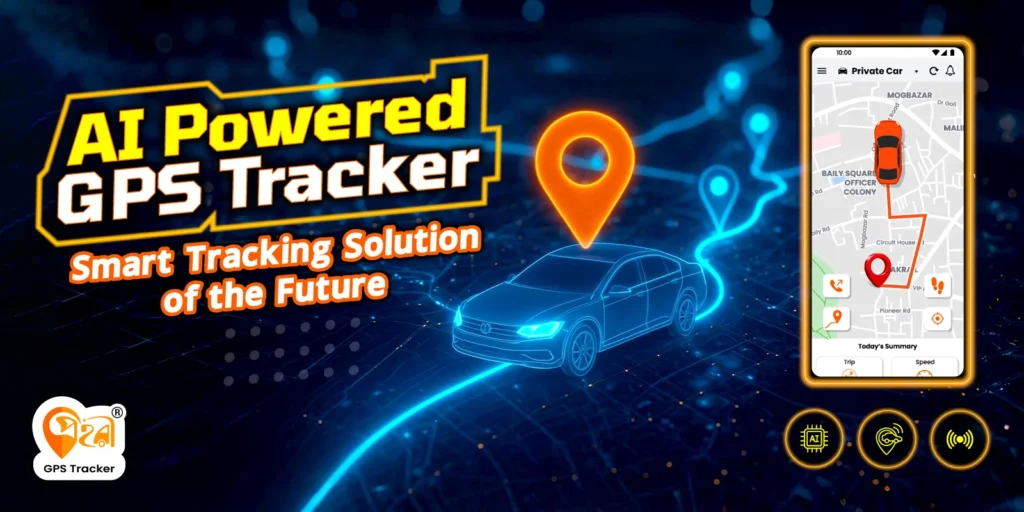
Artificial intelligence has accelerated faster than anyone expected. Tasks that required technical skill or access to specialized software a few years ago can now be performed through simple web interfaces. InstantID.info is one example mentioned in the transcript—an AI-powered website that positions itself as a fast, no-app method for locating a phone.
According to the transcript, the process is designed to be clean and simple:
Users enter a number into a search bar, and the system returns an approximate location. From there, a button labeled “Get Exact Location” promises pinpoint coordinates powered by AI-driven commands sent directly to the device. 1114 (5)
This simplicity is what has drawn so much attention to these tools—they give people access to data that was once locked behind technical barriers. Whether that’s a good thing or a risky thing depends on how it’s used.
2. How GPS Location Commands Are Triggered
One of the most important points from the transcript is that the phone owner supposedly does not receive any notification or alert that their number is being searched. When the user clicks the green button to “Get Exact Location,” the system sends what the transcript describes as a command to the phone, telling it to release its GPS location back to the dashboard. 1114 (5)
This is where AI comes in:
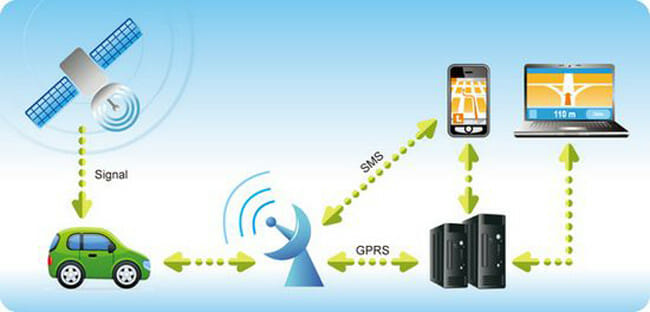
Instead of installing spyware or physically touching a device, the system communicates with the phone remotely through network-level methods. The result: a detailed map marker showing the street address, city, and state—reportedly within about 5 to 10 feet of accuracy.
Again, this is what the transcript claims. Whether a system can truly accomplish this depends heavily on carrier permissions, device settings, and compliance rules. Still, the concept of remote, AI-generated GPS data has become a major interest point for people looking for clarity and truth in sensitive situations.
3. Why People Want Exact GPS Location Data
It’s no secret why tools like Instant ID have exploded in popularity. When someone feels like something is wrong—like they’re being lied to about where someone is or what they’re doing—location data becomes the quickest path to clarity.
The transcript even addresses the emotional side:
“Usually when somebody’s gut is telling them something’s not right, they’re usually right.” 1114 (5)
People want certainty. They want proof. They want to confirm or dismiss a suspicion without confrontation. Anonymity and accuracy are the selling points—because those two things together provide peace of mind.
4. Inside the Instant ID Dashboard
Once the approximate location appears, users can request increasingly precise data. According to the transcript:
- A map loads in the dashboard.
- A push-pin marker appears with the exact location.
- The system displays the street, city, state, and the position of the device.
- Users can repeat the process as often as needed—sometimes over multiple days. 1114 (5)
Most users reportedly get their answers within one or two tries. That’s because, when someone is hiding something, their movements usually reflect it quickly.
This is where GPS location becomes more than a technical feature—it becomes a source of truth.
5. How Long Can Someone Track a Phone?
The transcript mentions that a phone can be tracked “for a couple days or even weeks” simply by repeating the request process. This suggests the system doesn’t create a persistent connection but instead re-queries the device on demand. 1114 (5)
That means each location request is a fresh command sent to the phone, producing fresh coordinates. Some people only need one confirmation; others track patterns over several days to establish routines or verify stories.
6. The Real Question: Is It Really Anonymous?
The claim that the phone owner “will not know” and “will not receive notifications” is central to the transcript’s message. 1114 (5)
However, in real-world tech standards, phone location sharing without user authorization is extremely restricted. Carriers, apps, and systems normally require user consent. Any tool promising otherwise should be approached with a degree of caution and skepticism.
Still, the demand for silent GPS verification is what fuels interest. Whether the method is legitimate, loophole-based, or exaggerated is a question users must evaluate carefully.
7. Why Accurate GPS Location Matters
Whether it’s confirming someone’s truthfulness, checking safety concerns, or simply understanding movement patterns, GPS location data provides unfiltered insight. People rely on it because:
- Phones rarely leave a person’s side.
- Location doesn’t lie.
- Patterns reveal more than words.
That’s the deeper point behind the transcript: people aren’t looking for curiosity—they’re looking for answers rooted in data they can trust.
8. Can This Technology Be Misused?
Absolutely. Any location-related technology can be abused if used irresponsibly. The transcript’s tone focuses on people trying to uncover lies or verify suspicions, but the same tools could be used for harmful or intrusive purposes.
That’s why ethical use matters.
And that’s why transparency, consent, and compliance must always be considered before using any tool that interacts with a device’s location data.
Conclusion
Instant ID is presented as an AI-driven platform capable of retrieving a phone’s GPS location with surprising precision and without alerting the device owner. Whether or not every claim is technically accurate, there is no denying that modern AI has made location-based technology easier, faster, and more accessible than ever before.
People seek truth, and location data delivers it plainly. When used properly—and legally—these tools can provide clarity in situations where uncertainty is causing stress, conflict, or suspicion. But like any powerful technology, responsibility must come first.