
Introduction
In a world where trust is often tested, GPS phone tracking and the ability to retrieve text messages remotely have become powerful tools for uncovering the truth. Whether it’s a partner’s unexplained absences, a child’s secretive behavior, or an employee’s misuse of company time, the phone in someone’s pocket holds answers most people can only guess at. Modern technology now makes it possible to access those answers discreetly—pinpointing a person’s exact location, viewing their movement history, and even reading the conversations that explain their actions. What once required professional investigators is now accessible to anyone determined to separate fact from fiction.
In today’s digital world, information is power—and when it comes to uncovering the truth, few tools are more revealing than GPS tracking and text message access. Whether it’s a spouse worried about infidelity, a parent concerned about a teenager’s behavior, or someone trying to protect their family or business, the ability to pinpoint a phone’s exact location and view communications can make all the difference.
It’s no surprise that GPS phone tracking and text messages are the most sought-after pieces of information in nearly every investigation scenario. They’re not just digital breadcrumbs—they’re hard evidence of where someone is, what they’re doing, and often, what they’re hiding.
Why GPS Phone Tracking Is the First Place People Turn
When suspicions arise—whether in relationships or family matters—the first instinct many people have is to find out where someone is really going. Maybe a spouse says they’re working late, but the location doesn’t match. Or maybe a teenager claims to be at a friend’s house, but something doesn’t feel right. GPS tracking provides that missing piece of the puzzle.
Fortunately, today’s technology makes it remarkably easy to access this kind of data. Websites like InstantID.info have simplified the process to the point where anyone can locate a phone in minutes. The process is straightforward: you enter the phone number of the device you want to locate into the search bar, and the system provides an approximate position. With a single click, it can even deliver the exact GPS location as a pushpin on a live Google Map.

The most striking part? The process is completely anonymous. The person being located will never know that their phone number has been searched or that a silent message was sent to retrieve the data. There’s no buzzing, no lighting up, no notification—just silent transmission of the phone’s coordinates.
How Real-Time GPS Phone Tracking Works
When you click that button on a service like InstantID.info, the system sends a hidden message to the phone. This invisible message pings the device, collects its GPS data, and transmits the exact location back to the user. The result is a precise point on a map, giving you the real-time position of the person carrying that phone.
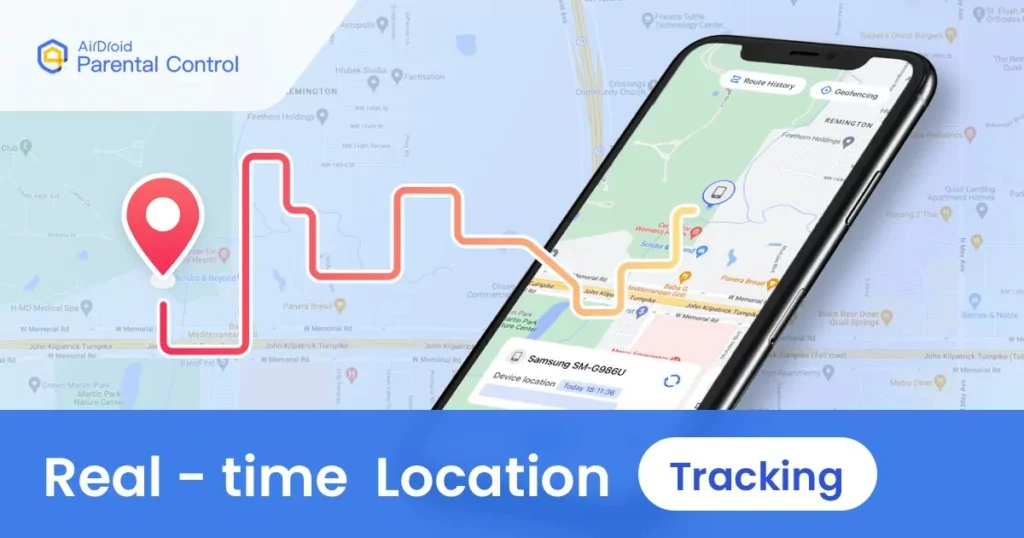
In most cases, GPS phone tracking and seeing a phone’s location tells you everything you need to know. If someone claims to be at work but the phone pings at a hotel, or a child says they’re at a classmate’s house but the map shows otherwise, there’s not much left to guess. Actions speak louder than words, and a GPS pin never lies.
But the technology goes further than just showing a snapshot in time. These services often include movement history—a complete record of where that phone has been, the route it took, and how long it stayed at each destination. Over time, these data points form a clear pattern of behavior. If someone’s location data keeps leading to the same place every Thursday at 6 p.m., you’ll know exactly what that means.
Why Text Messages Are the Other Half of the Story
While location data reveals where, text messages tell you why. They expose the intent, emotions, and connections behind the movements. That’s why text retrieval is the second most sought-after form of digital surveillance today.

Accessing text messages used to require physical access to the phone, but modern tools now make it possible to read another phone’s messages remotely. Services like Pro Spy and similar “over-the-air” (OTA) spy apps use artificial intelligence to bridge the gap between devices. Once installed and configured, these apps create a secure, invisible connection between your phone and the target phone through the internet.
All you need to do is download the app, input the number you want to monitor, and the software does the rest. Within moments, it establishes a remote link and begins transmitting the phone’s activity to your device in real time.
How OTA Spy Apps Work
It may sound like something out of a spy movie, but it’s all made possible by the same networks that connect our phones every day. Cellular data providers, cloud storage systems, and internet connectivity make it technically feasible for one phone to mirror another’s activity once the proper digital handshake has been established.
After setup, you can see the target phone’s text messages, emails, browser history, and even GPS locations—all from your own device. Every text message appears exactly as it did on the other phone, down to the timestamp and emojis. It’s an unfiltered window into someone’s digital life.
Why People Use These Tools
People don’t usually turn to GPS phone tracking or spy apps casually. It’s almost always driven by a deep need for clarity. In relationships, suspicion can be corrosive. The not-knowing is often worse than the truth itself. Parents, too, use these tools to protect children from dangerous behavior or online predators. And in some cases, employers use them to ensure company devices are being used responsibly.
The motivation is almost always the same: to find the truth when words alone can’t be trusted. In a world where nearly every moment is mediated by digital communication, these technologies give people the power to see beyond excuses and guesswork.
Ethical and Legal Considerations
Of course, this kind of access raises ethical and legal questions. In many jurisdictions, tracking someone’s phone or accessing their text messages without consent can violate privacy laws. It’s important for users to understand the rules that apply in their country or state before using such services. There are legitimate uses—such as tracking your own lost device, monitoring a child’s safety, or managing company-owned equipment—but crossing into unauthorized surveillance can lead to serious consequences.
If you’re unsure about the legality of your specific use case, consult an attorney or privacy professional before proceeding. Technology offers powerful tools, but power always comes with responsibility.
The Takeaway: Truth Leaves Digital Footprints
In an age where everyone is connected 24/7, the truth is rarely hidden for long. GPS tracking and text retrieval technology allow people to verify claims, uncover deception, and protect what matters most. While some might see these tools as invasive, others see them as a way to restore balance and clarity in situations clouded by doubt.
For better or worse, we now live in a world where secrets travel through networks, and digital footprints speak louder than promises. Whether you’re trying to catch a lie or find peace of mind, one thing is certain—the data always tells the real story.