
Introduction
In an era where our smartphones rarely leave our hands, the idea that someone could remotely listen to you through your phone feels like something out of a thriller. Unfortunately, it’s not fiction anymore. With the rise of artificial intelligence (AI) and advanced surveillance apps, everyday people can now access tools powerful enough to mimic law enforcement-grade technology.
Spy apps today can activate your phone’s microphone, track your exact GPS location, and even turn on your camera—all without you knowing. While these capabilities might sound useful for parents or employers, they come with significant ethical and legal risks. This article explores how these tools work, the dangers of misuse, and what the law says about using them.
What Are Spy Apps and How Do They Work?
Spy apps—often sold under the label of “monitoring” or “tracking” software—allow a user to remotely access data from another device. Once installed, these apps can silently monitor calls, messages, location, photos, and even environmental sounds.
Remote Microphone Activation
The most invasive feature of all is remote microphone activation. This allows someone to send a command to a smartphone, turning it into a live listening device. Once activated, the spy app transmits the surrounding audio back to the operator—letting them hear what’s happening in real time, even if the phone appears idle or locked.
Some apps like OTA Spy, offered on platforms such as Pro Spy, claim to provide this functionality. What’s more, these apps can be controlled through simple online dashboards or commands, making surveillance accessible to anyone with minimal technical knowledge.
Beyond Listening: GPS Tracking and Camera Control
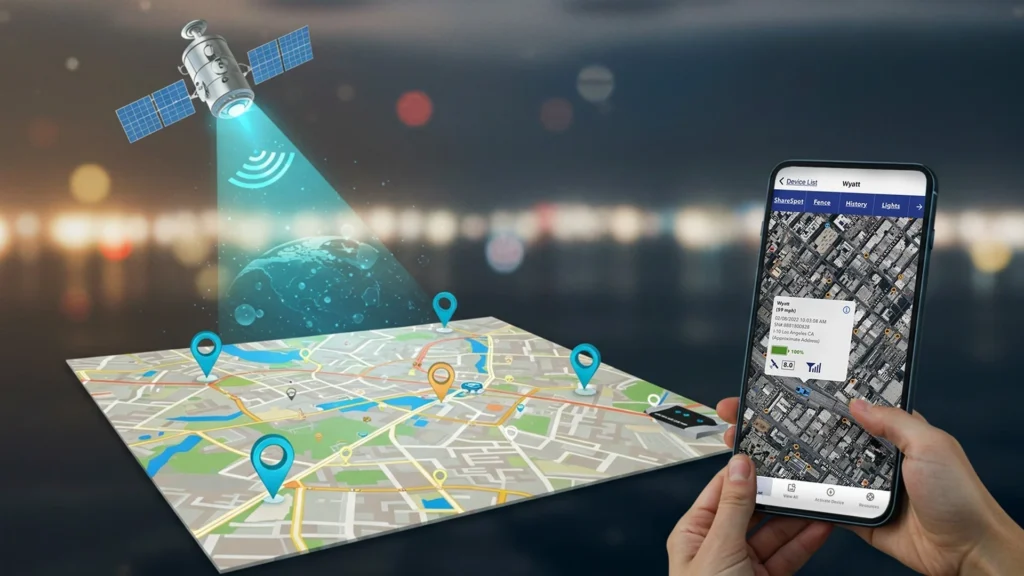
Spy apps don’t stop at sound. They’re equipped with GPS tracking features that show a phone’s live location, travel history, and sometimes even geofence alerts. The user can send an on-demand command to retrieve the phone’s location data, complete with timestamps and mapped routes.
Even more intrusive is remote camera access. These apps can activate the front or rear camera without any notification, capturing photos or videos on demand. Users can choose which camera to use and how long to record, effectively turning the target device into a personal surveillance camera.
With these combined capabilities, AI-powered spy apps have turned average smartphones into full-fledged espionage tools.
How AI Is Changing the Surveillance Landscape
Artificial intelligence is revolutionizing how spy apps operate. What once required government-level hardware and expertise is now packaged into intuitive, easy-to-use apps. AI automates the technical processes of data gathering, recording, and sorting—allowing even a novice to execute surveillance operations that would have been unthinkable a decade ago.
This “democratization of surveillance” sounds empowering on the surface, but it’s a double-edged sword. When ordinary users wield technology that can secretly listen, track, or record others, privacy boundaries erode fast. The ease of use that makes these apps attractive also makes them dangerously easy to misuse.
The Law: Wiretapping, Consent, and Federal Offenses
Before you even consider using a spy app, you need to understand that federal wiretap laws in the United States make it a serious offense to intercept or record private communications without consent.
The U.S. has two main types of consent laws:
- Single-Party Consent: Only one person involved in the conversation must agree to be recorded.
- Dual-Consent (or All-Party Consent): Everyone in the conversation must give permission before recording.
Even in single-consent states, these laws apply only to your own conversations. Secretly listening to or recording someone else’s conversation without their knowledge—especially by remotely activating their phone’s microphone—constitutes illegal eavesdropping.
Violating federal or state wiretap laws can lead to fines, lawsuits, and even imprisonment. In short: you cannot legally use these apps to spy on someone else without their explicit consent.
When Spy Apps Are (Sometimes) Legal
While unauthorized spying is illegal, there are limited cases where using monitoring apps can be legally permissible.
1. Parental Monitoring of Minors
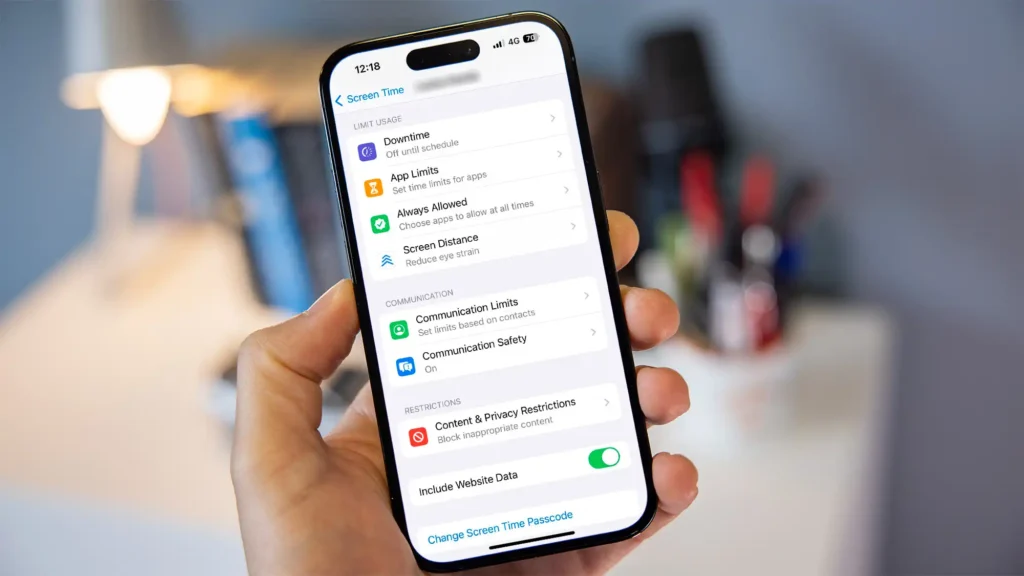
If you are the legal guardian of a child under 18, you generally have the right to monitor their phone usage. Many parents use tracking apps to ensure their child’s safety, prevent exposure to harmful online behavior, or locate them in emergencies. Even so, it’s wise to disclose this monitoring and understand state-specific privacy laws.
2. Employer Monitoring of Company Devices
Employers may legally monitor company-issued devices—if employees are properly informed in advance. Hidden or undisclosed surveillance, however, can expose companies to significant legal risk.
3. Ownership and Consent
If you own the phone and the person using it consents to being monitored, you’re likely within legal bounds. But ownership alone doesn’t justify unauthorized spying. Always seek legal counsel before using surveillance software to monitor another adult.
The Ethical Cost: Why You Should Think Twice
Even if you think you’ll never get caught, using these tools unethically is a mistake you’ll eventually regret. Technology can be tempting when you’re desperate for the truth—whether it’s about a partner, an employee, or a personal dispute—but crossing privacy lines damages trust and integrity.
The moral cost often outweighs the benefit of what you might “discover.” Acting with transparency and seeking honest communication is a far more powerful—and legal—path to truth.
As one expert put it: Do things the right way so that when you put your head on the pillow at night, you can actually sleep.

Protecting Yourself From Being Spied On
The same tools that enable spying can also be used to protect your privacy. Here are practical steps to defend against hidden monitoring:
- Review App Permissions: Check which apps have access to your microphone, camera, and GPS. Revoke unnecessary permissions.
- Install Anti-Spyware Tools: Use trusted mobile security apps that scan for and remove surveillance software.
- Keep Software Updated: Many spyware programs exploit outdated operating systems.
- Factory Reset if Needed: If you strongly suspect unauthorized monitoring, a full device reset is the most effective solution.
- Stay Educated: Awareness is your best defense. Learn how these tools operate so you can recognize the signs of intrusion early.
Conclusion: Power Demands Responsibility
Spy apps capable of remote microphone activation, GPS tracking, and video access are real—and dangerously accessible. While these tools can have legitimate uses, they carry immense responsibility.
Using them without consent isn’t just immoral—it’s often a federal crime. Before you even think about deploying such software, seek legal advice and make sure your actions comply with state and federal privacy laws.
Technology will keep advancing, but ethics don’t go out of style. The real power lies not in your ability to spy—but in your decision to respect others’ privacy, act within the law, and protect what’s right.